Made in the USA

MANUFACTURED IN THE USA

(800) 752-0706

Chat With Our Team

Search
Made in the USA

MANUFACTURED IN THE USA

What Kind of Tools Does a Road Crew Use?

November 11, 2021

What Kind of Tools Does a Road Crew Use?

What Kind of Tools Does a Road Crew Use?

Road crews run some of the most vital construction jobs in the country, as road repair and creation are necessary for the county’s growth. The better roads a nation has, the better the nation fares. That’s why anyone looking into road services should learn what kind of tools road crews use.

Individual Tools

Road crews use lots of heavy equipment, but each member also uses personal tools that help them complete their work. Below are the basic tools used by road crew members.

Hoes

Although this tool is most popular for its agricultural uses, it’s also very good for road construction. Workers can use hoes for the excavation of debris or use them to spread asphalt. Every road worker should carry one.

Shovels

Shovels are very useful for minor excavation and cleanup. Workers can easily clear areas with shovels. They also double as landscaping tools; workers can use them to manage the smoothness and health of an area.

Wheelbarrows

Another popular tool for road crews is wheelbarrows, as loading and carrying debris would be very difficult without them. Wheelbarrows give workers a way to carry all the debris around without exhausting themselves. Plus, they’re useful for carrying heavier equipment.

Pickaxes

Sometimes road work requires breaking heavy asphalt, and no better tool exists for that job than pickaxes. Although heavy equipment is usually used for this job, if small pieces need to get broken, workers will use pickaxes to get it done.

Heavy Equipment

Other than valuable personal equipment, heavy equipment is indispensable when roads need to get worked on. The job would be much more difficult, if not impossible, without them. This equipment can move tons of materials and repave roads much quicker than individual people. Heavy equipment includes tools such as excavators, dump trucks, pavers, and rollers.

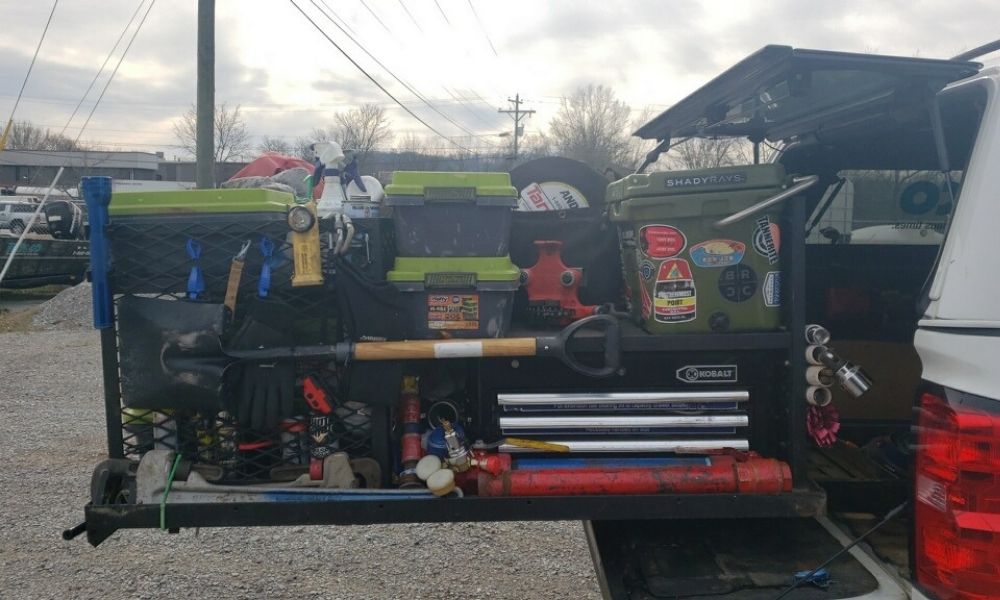
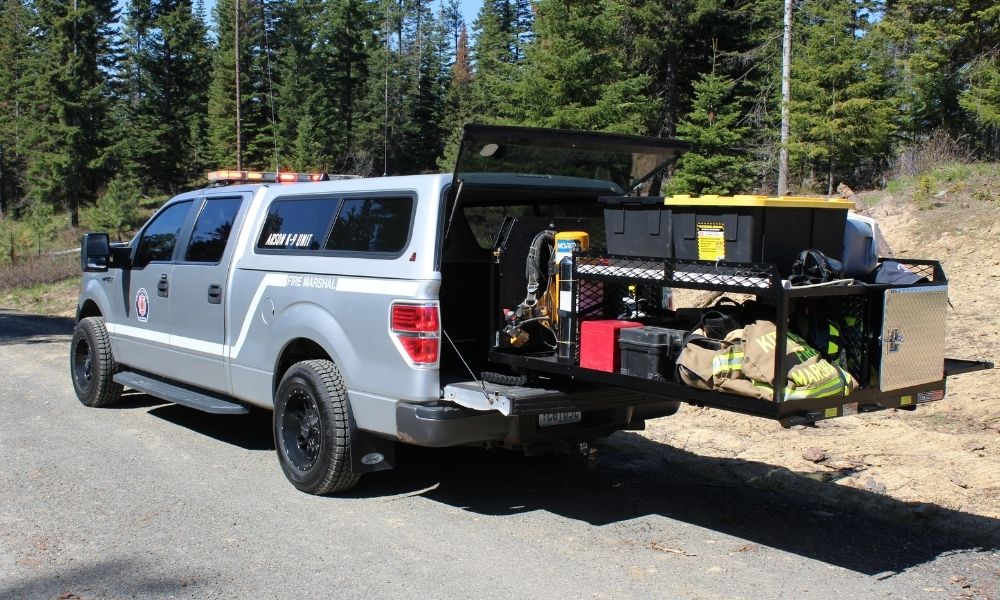
If you’ve ever wondered what kind of tools road crews use, here is your answer. However, carrying all these tools isn’t easy and your truck probably doesn’t have enough space. That’s why a lot of road crews use a truck trunk organizer for space optimizations to help with storage.

Sticky

Things That Every Bug-Out Vehicle Needs

October 13, 2021

Things That Every Bug-Out Vehicle Needs

Things That Every Bug-Out Vehicle Needs

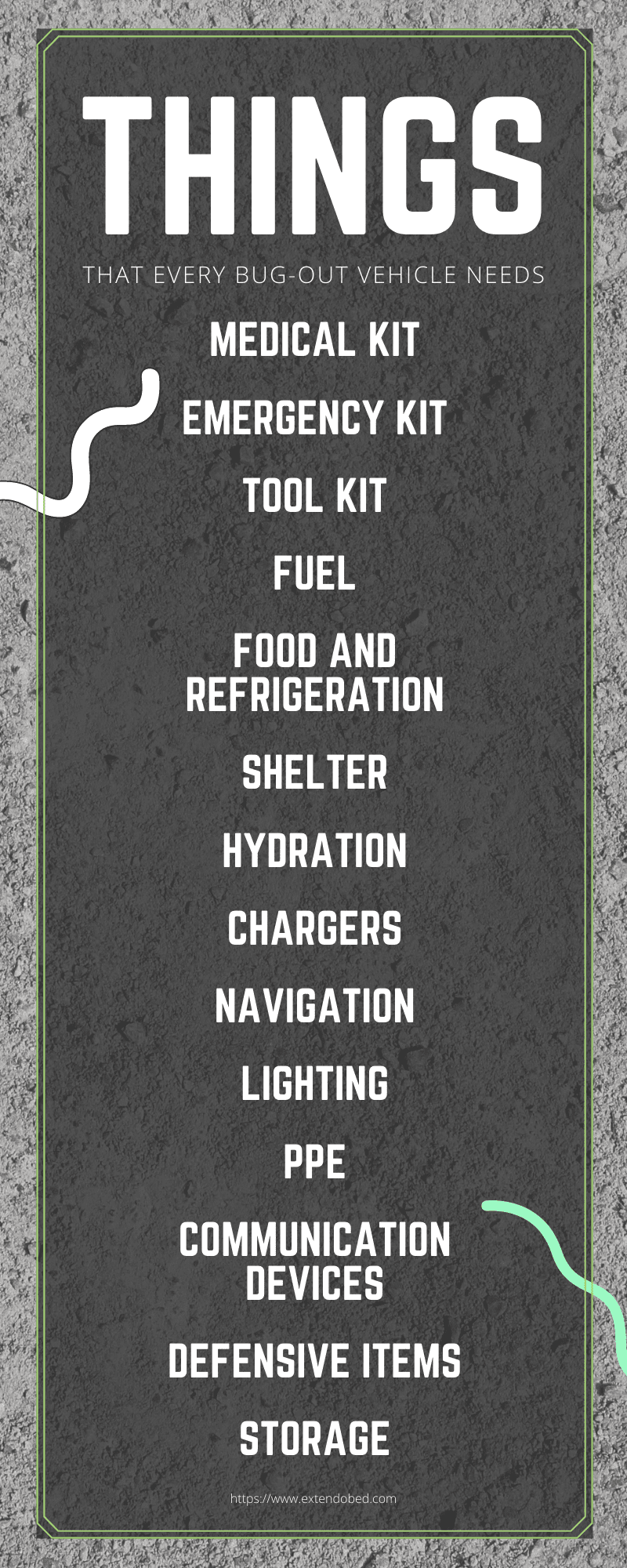
Everyone needs a bug-out vehicle so they can protect themselves and those they love in case of emergency. A proper bug-out vehicle can literally save the lives of anyone in it if the proper preparation and care are taken when setting it up. You can never be sure what situation might cause the need for such a vehicle, so it’s best to plan for a variety of problems. Use this guide as a basic checklist of the things that every bug-out vehicle needs.

Medical Kit

Any injury can be extremely problematic if you ignore it or don’t treat it promptly, which is why a medical kit’s so important for a bug-out vehicle. A good medical kit will have a tourniquet in addition to other standard medical items.

Emergency Kit

An emergency kit contains extremely useful tools and items for any emergency that might develop. For example, flares are a common part of emergency kits for light and to help rescuers see your position easily. You should also look for kits with fire extinguishers and other emergency prevention tools.

Tool Kit

You never know when you might need a tool for a problem, and a tool kit will cover your every need. From repairs to breaking things in your way to getting unstuck, a tool kit is absolutely necessary for your survival. You’ll want a heavy-duty tool kit with a variety of tools, but don’t go overboard, or you won’t have space for other important things.

Common Vehicle Repairs

Any vehicle is susceptible to damages and will eventually have breakdowns and need repairs. You should have parts at the ready for the most common repairs that a vehicle might need. Things like tire patches and fuse replacements can easily save your car from unfortunate circumstances. Even if your car is capable, it’s better to have the stuff rather than be stuck in a dangerous place.

Fuel

Any vehicle that runs on gas can eventually run out of fuel. Even if your vehicle is extremely fuel-efficient, having extra gas will save you when making those long treks without refill stations. Getting extra fuel cans and a long-distance fuel tank can spare you from some pretty bad times.

Food and Refrigeration

Food is really important for survival, which is why you should find food storage for your vehicle before things turn bad. You can either store non-perishable food or install some kind of refrigeration unit in your bug-out vehicle. A fridge means you can store things you pick up or hunt along the trip.

Shelter

Although bug-out vehicles have equipment for every situation, it isn’t always the best decision to sleep in them. In those times when sleeping in your vehicle isn’t an option, you should invest in a shelter. Packing a tent with all the accompanying bedding is a good idea for your bug-out vehicle.

Hydration

Just like food, water is extremely important yet hard to come by in disaster situations. Packing plenty of water for the trip plus ways to create more water, such as filters or survival devices, will save your life. Thirst is one of the biggest threats you’ll face in a disaster.

Chargers

Although they won’t be useful in every kind of emergency, phones and other electronic devices can be very helpful for contacting others and surviving. Bring a charger that can power your devices from the car, and you won’t run into electricity problems for a while. A charged phone means you can contact others with reception even after a few days pass and other people’s devices no longer have a charge.

Navigation

It’s easy to lose your way when you’re in a stressful situation and forced to navigate areas that you aren’t familiar with. This can be very dangerous if you’re struggling to get to a safe place in your vehicle. Bringing several means of navigation can help you stay safe; both digital and manual methods are useful. Although most smartphones have GPS, bringing a satellite GPS can be the better option in case reception isn’t working in the area. For manual navigation, bring a compass and maps of any area you’re traversing.

Lighting

One thing that can always help you during an emergency is lighting, which is useful both at night and when exploring any dark place. Investing in a few flashlights that you can manually charge will help you greatly if you do anything in the dark. You can also put lighting modifications on your vehicle so you can light up the surrounding area, though there are legal limits on this, depending on your state.

PPE

If you think that personal protective equipment (PPE) is only useful in industrial jobs, you should know that it’s actually very helpful in your bug-out vehicle. A lot of the things you do after a huge event are dangerous for the body, as you may need to work with industrial tools and handle heavy materials in subpar conditions. Wearing protection will only help you avoid injuries from these things.

Communication Devices

If other people are traveling in your vehicle with you, try getting communication methods that don’t rely on cell service. High-quality walkie-talkies are very useful for contacting those you care about when things are dangerous. You can also install a radio receiver into your car for better communication with the world at large.

Defensive Items

Although we hope you never need them, defensive equipment or tools can be very helpful during a crisis. A major disaster, like a wildfire, can cause massive migrations from animals that may get violent in their fear. Just having a weapon nearby can prevent a lot of trouble; in many cases, you won’t even need to use it. A pocketknife is useful as a tool for personal defense and overall survival.

Storage

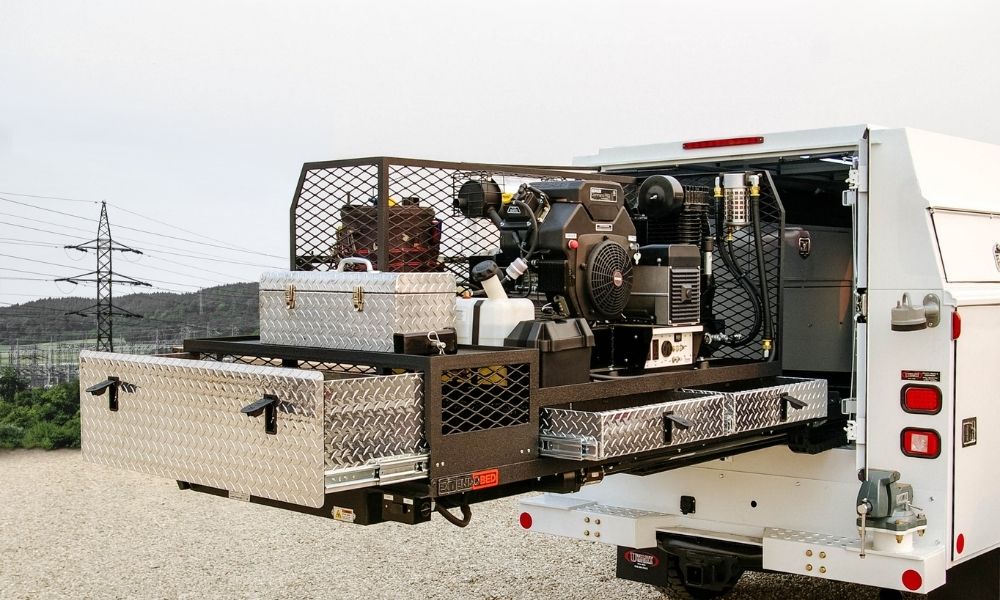
Storing all these items in one vehicle isn’t realistic for most standard vehicles; you’ll need modifications that add storage or help you efficiently use all the space you have. You can always get a large aluminum storage trunk or even a customized sliding truck bed designed for overlanding for a pickup truck or van, or install extra storage under your seats to maximize space in your vehicle.

These are things that every bug-out vehicle needs, but this list doesn’t include everything that may be helpful for you. This is just a basic list of the things that you should get for your vehicle; there are plenty of other items that may help in times of emergency.

Things That Every Bug-Out Vehicle Needs

Sticky

Organization Mods for Your Pickup Truck

October 13, 2021

Organization Mods for Your Pickup Truck

Organization Mods for Your Pickup Truck

Pickup trucks are great for carrying all sorts of huge loads, more than most other vehicles are capable of carrying. But anyone who really uses their pickup truck knows that you always need more space. The easiest way you can get that extra space is with organization mods for your pickup truck. These mods help you utilize your truck’s space efficiently so you can store more items.

Toolbox

One small change you can add to your vehicle is a toolbox. Although pickup trucks can store a lot of things, leaving items loose takes up more space. A toolbox is perfect for storing any tools you regularly bring with you. That way, you know where they are at all times, and you don’t waste as much space.

Slide-Out Bed

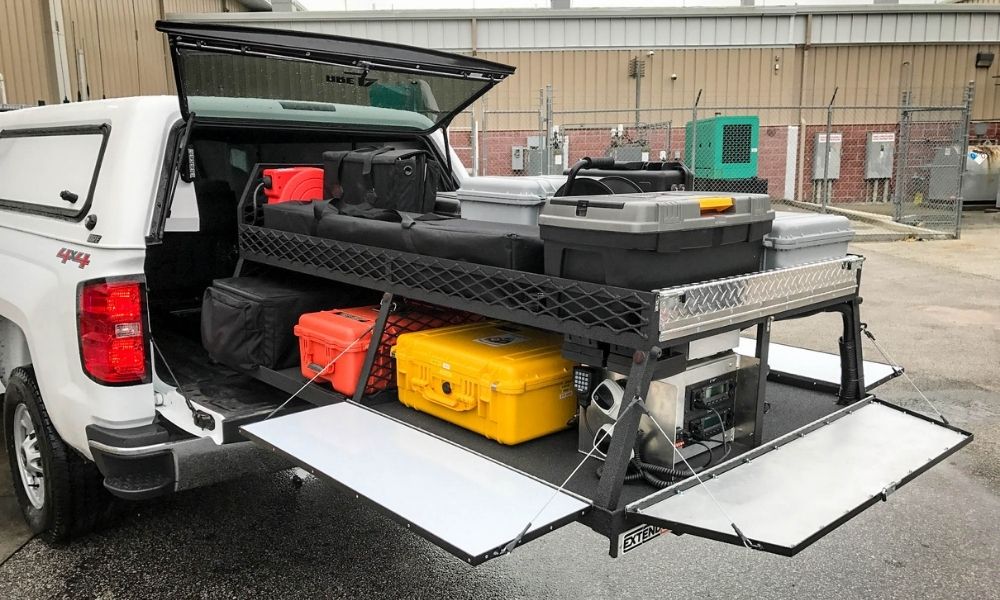
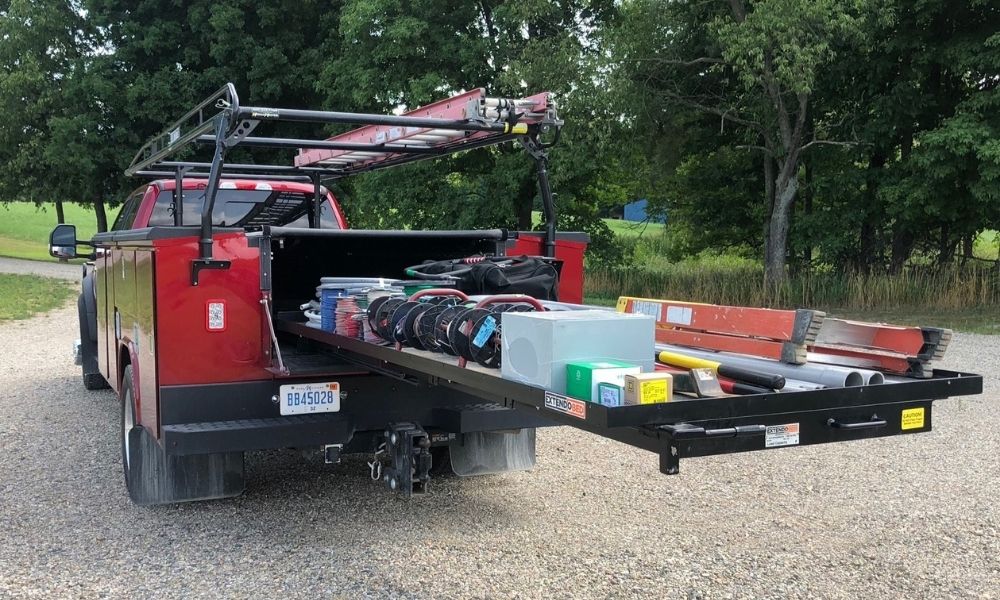
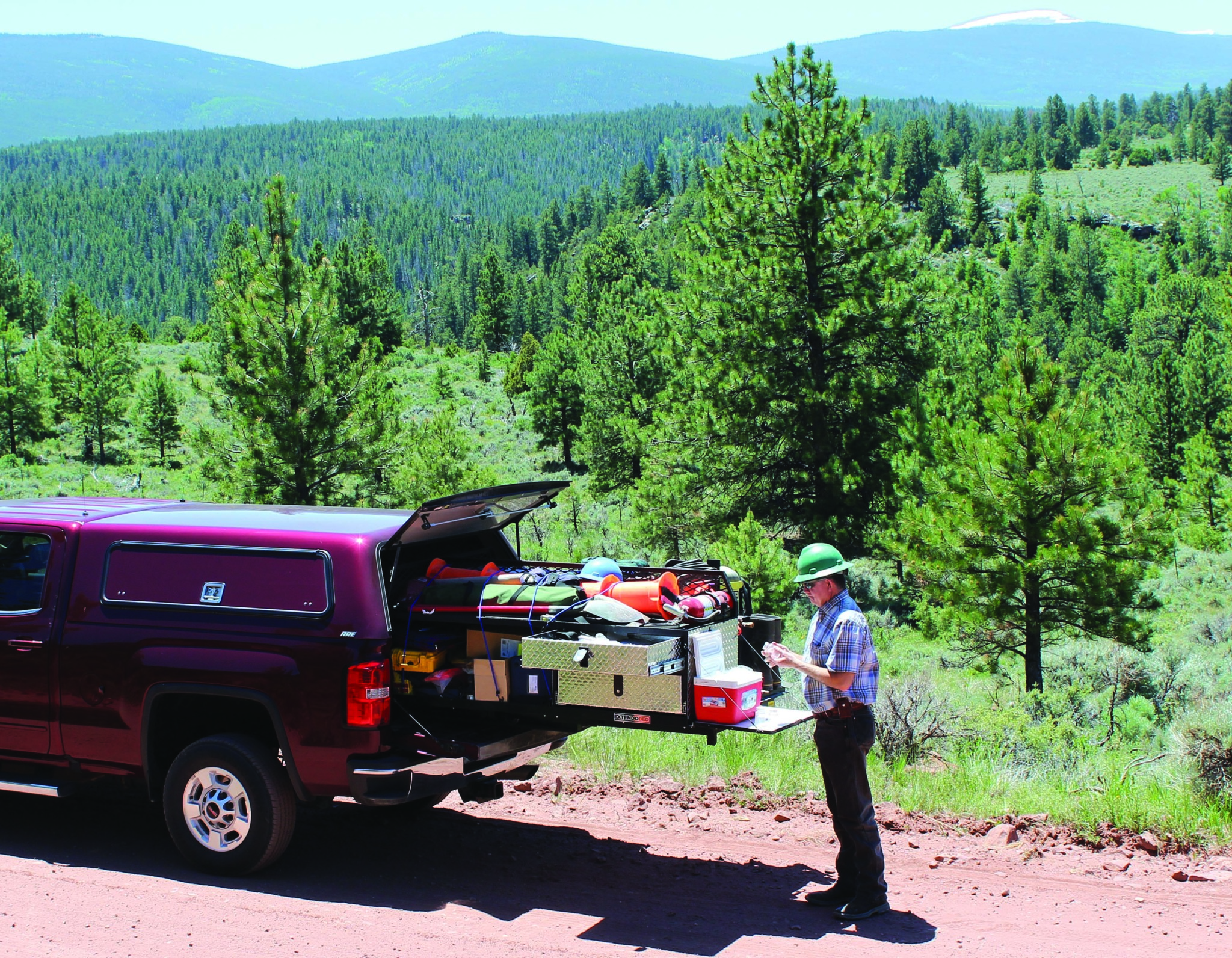
Another modification that can be very useful for lugging around heavy loads is a slide-out bed. These modifications install on the floor of your truck bed and are capable of carrying thousands of pounds while making storage and loading more efficient and safer.

Truck Bed Storage Organizer

Similar to slide-out beds, a truck storage organizer installs directly on the truck bed or on a slide-out bed. These sliding mods contain a variety of storage solutions, including drawers and shelves, that make storing your items much easier.

Under Seat Storage

Another storage solution many people don’t consider is utilizing the space under the seats of the truck. Although the space is a bit limited, you can find many storage solutions and modifications that let you reorganize your truck and use the space under your seats as good storage.

These are just some basic ideas for organizational mods for your pickup truck. You can invest heavily in increasing your storage capacity and optimization with custom truck bed organizers or install additional storage on the sides of your truck bed. It all depends on what you want for your truck.

Sticky

Ways To Improve Service Technician Efficiency

October 05, 2021

Ways To Improve Service Technician Efficiency

Ways To Improve Service Technician Efficiency

Service technicians must have the proper skills and training due to the technical demands of their job. However, a truly successful service technician also works as efficiently as possible. That’s how they maximize the profits for their company. That’s why properly investing in your service technicians is the best thing you can do to increase your profits. Here’s a guide on some ways to improve service technician efficiency.

Effective Communication

The first thing that a company should improve is their communications with their service technicians. The method of dispatching your technicians shouldn’t confuse or slow them down. Any issues they face should be responded to quickly, and communication between the technicians on a job and on the reporting site should be quick.

Better Equipment

The equipment you arm your technicians with must enable them to do their jobs more efficiently. When they have the proper tools and equipment, they’ll accomplish their jobs faster while also being safe. If they work only for speed, they can injure themselves and cost the company even money. Investing in proper equipment will raise efficiency and safety.

Proper Organization

Make a concerted effort to organize all your workstations and vehicles. so that all the space you have will be used effectively. You can achieve this by using storage organizers, which will help you maximize your space (especially in vehicles.) A good truck bed sliding tray uses all the space your vehicles offer while simultaneously promoting safe loading and unloading practices.

Training

Proper training for your technicians is a great way to increase their efficiency. Training will help them learn all the new technology and techniques that keep people safe while increasing effectiveness. It also keeps all your technicians on the same page, lowering confusion and increasing collaboration and communication. Although training can be a bit of an upfront cost, it’ll quickly pay for itself.

Standardized Upfitting

Once a design has been used and found to be ideal, upfitting all the vehicles in your fleet similarly provides maximum personnel flexibility because anyone can be assigned to any vehicle and maintain their same efficiency by not wasting time looking for stuff on the truck or van.

These are the best ways to improve service technician efficiency and increase the safety of your workers. Using these methods will help you elevate your business to a whole new level.

Sticky

How Construction Companies Can Reduce On-the-Job Injuries

September 13, 2021

How Construction Companies Can Reduce On-the-Job Injuries

How Construction Companies Can Reduce On-the-Job Injuries

Construction is one of the hardest and physically demanding jobs in the world. Employees constantly put their lives on the line to build massive structures. However, companies have a responsibility to protect their workers as best they can from any potential injuries and risks on the job. That’s why they need to know how construction companies can reduce on-the-job injuries.

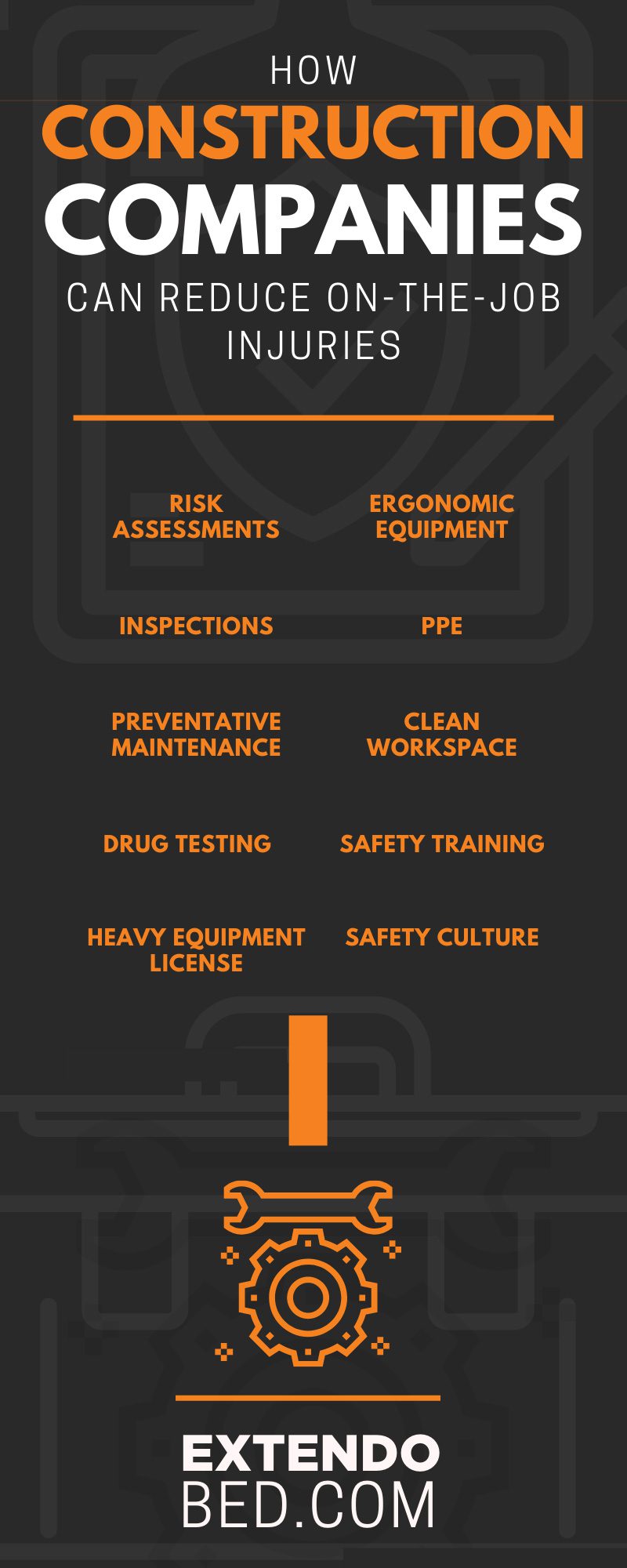
Risk Assessments

The first thing anyone in charge of a construction site needs to do is run a risk assessment meeting before construction even starts. By running a job hazard analysis, potential risks to employees’ health on the site can be identified. Identifying these unique risks can save workers’ lives and company money in the long run. Any findings in these assessments must get shared with every worker who will be onsite so they know what to expect and avoid.

Falls

The biggest cause of death on construction sites is falling to one’s death. There’s little anyone can do if they start falling, and that’s why it’s important to plan and implement preventative measures. Things such as guardrails and nets can spell the difference between life and death for workers. Safety measures should get planned early and account for changes in the site as construction continues.

Trips and Slips

Another common cause of a lot of construction injuries is slipping or tripping. Although this may seem like a simple problem, a bad slip can really damage people and prevent them from working. The best way to avoid these issues is to clean up the area and get rid of any spilled liquids or obstacles that might cause someone to trip.

Inspections

Problems should be identified and inspected as early as possible so they can be stopped before they turn into major risks. The best way to find these issues is by running frequent inspections that search for any potential dangers. Such inspections should be run frequently—such as every few weeks—as construction sites constantly change and new risks pop up. Workers deserve the best protection; part of this can be accomplished by regular, thorough inspections.

Preventative Maintenance

Focusing on preventative maintenance is essential. Just like its name suggests, it’s all about maintenance that stops things from turning into huge problems. For instance, all tools and equipment will eventually break as time goes on. Needless to say, breaking or failing equipment on the job is very dangerous. Any potential issues in equipment should be taken care of before it becomes a problem—especially if someone is about to use it. Equipment must be examined during inspections for any signs of damage. Replace or repair poor equipment before it fully breaks to keep workers safe. Otherwise, tools could break in the middle of being used, therefore causing injury to the person using them.

Ergonomic Equipment

A lot of other onsite injuries come from performing basic tasks with poor equipment that doesn’t account for worker safety. Repeated stress injuries are very serious and arise from workers who perform the same action—usually in an awkward position—multiple times until they hurt themselves. Such injuries can be avoided with equipment like custom truck bed storage that promotes healthy lifting and unloading. This way, workers won’t hurt themselves performing everyday tasks.

Clean Workspace

A lot of injuries in construction sites come from an unclean workplace—namely, obstacles in the walkways or equipment and tools that are in the way of workers. Everyone must put away all their tools when they’re done using them to prevent mix-ups and messy areas. Leaving tools lying around isn’t only unproductive, but also dangerous for the employees and anyone trying to access the area.

PPE

Most companies use the legally required amount of personal protective equipment (PPE) for their workers, but more can always be used to keep employees even safer. While hardhats are useful as PPE, they aren’t enough to thoroughly protect workers. Investing in excellent PPE is a sign of investing and caring about the people on job sites. Additionally, PPE should always get examined during inspections.

Drug Testing

Working with heavy equipment and in a dangerous area requires all workers to have their wits about them. If someone is under the influence, they should never come into work and operate dangerous equipment. That’s why a lot of construction companies use drug testing to encourage workers to show up clean and stay safe because of it. That isn’t to suggest running constant drug tests is a good idea. But running them, even infrequently, will teach everyone that they can’t risk coming into work while under the influence.

Safety Training

Investing in workers is key to keeping them safe—and there’s no better investment than safety training. Company-wide training is very important as it teaches everyone at the same time. That way, everyone is on the same page and can communicate better than before. This results in safer work conditions for everyone and more efficient communication as people know what they’re talking about and what’s expected of them.

Injury Response

Even with all these methods of protecting people as they work in construction sites, accidents and injuries can still happen. That’s why a proper response plan can help people who get hurt. Having a few first aid kits on hand can save someone’s life. Training sessions can teach employees the proper way to respond to injuries. This way, everyone knows the best practices and less confusion should arise in such situations.

Heavy Equipment License

A lot of construction sites make use of heavy machinery and vehicles, both of which are very dangerous. That’s why it’s vital for anyone using any heavy equipment, machinery or tools must be properly trained to so do. For example, a crane or a forklift can cause a lot of damage and even kill people if employees aren’t careful. That’s why proper training is absolutely necessary. Someone who has a heavy equipment license will know how to operate potentially dangerous vehicles; therefore, ensuring the people who will operate such heavy vehicles and machinery have the proper license is absolutely essential to the safety of a worksite.

Safety Culture

Another way companies can keep their workers safe is with a focus on creating a work culture that prizes safety above all else. A good safety culture will encourage everyone to stay as safe as possible. Additionally, as employees work within a positive work environment where their safety matters, they’ll actively encourage this protective behavior in each other. Fewer workplace accidents—whether big or small—will have the chance to happen when employees are looking out for one another.

These are just the simplest and biggest methods on how construction companies can reduce on-the-job injuries. Following these steps will help you keep your employees safe during construction and better the lives of everyone.

How Construction Companies Can Reduce On-the-Job Injuries

Sticky

Must-Have Additions To Any Service Truck or Van

September 08, 2021

Must-Have Additions To Any Service Truck or Van

Must-Have Additions To Any Service Truck or Van

Your service truck holds all your equipment and the materials you need to solve any problems you have on the job. However, a truck can do more than just carry your equipment. Here are some Must-have additions to any service truck or van that can make your job quicker, safer, and easier.

Storage Additions

One of the biggest changes you can make for your service truck is adding in extra storage. Storage is important for a truck or van and adding more is extremely helpful. You’ll be able to carry all the tools and equipment you need. Adding in a new tool cabinet or under-seat storage can drastically change the usefulness of your truck.

Storage Organizers

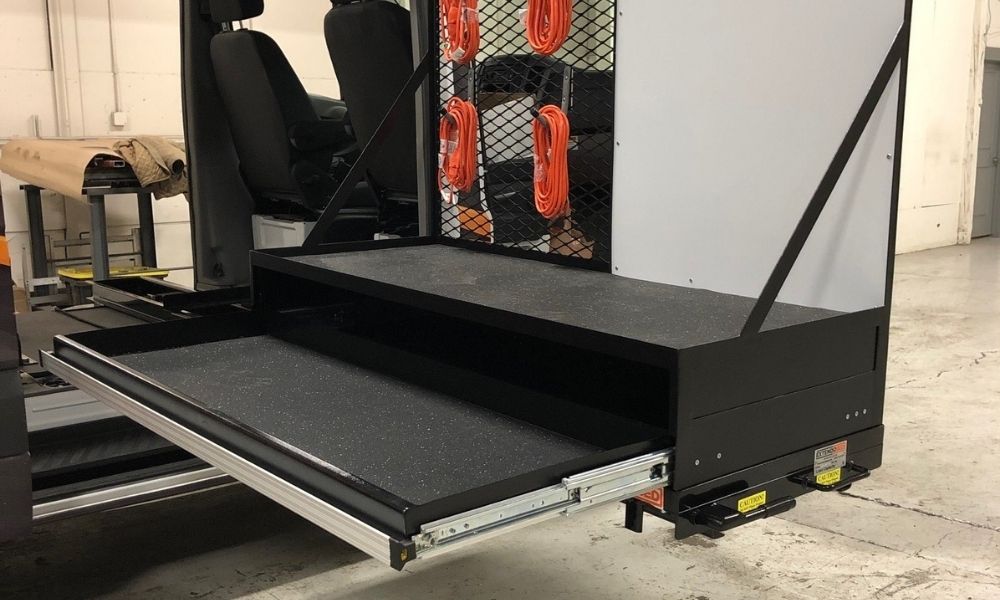
Another option for increasing your effective storage space is to invest in storage organizers. These additional modifications don’t add extra storage space, but let you organize your equipment to efficiently store all of it within the space you already have. Some of them help speed up your loading process, making it faster and safer than before. A good space organizer—such as the vehicle slide-out trays from Extendobed—can help you double your current storage capacity.

Lighting

Another modification that can really help service vehicles is additional lighting on the inside and outside of the truck. The style of lighting you need and where it illuminates changes depending on your job. Follow local lighting laws—some states prohibit the attachment of certain lighting systems on any vehicle to prevent accidents.

Wheels

Although you already have a set of wheels, changing to a specialized set can improve your vehicle’s gas consumption and handling in certain environments. The type of wheel that’ll help you the most depends on your job and where you’ll be driving. For example, a set of all-terrain wheels can be very useful on a construction site where workers must deal with uneven roads.

These must-have additions to any service truck or van are going to improve your vehicle and efficiency, but there are other modifications that can help as well. You know what’s best for your situation and vehicle, so it’s worth looking into other options that may help your productivity.

Sticky

What Kind of Gear Is Inside a Police Car

August 31, 2021

What Kind of Gear Is Inside a Police Car

What Kind of Gear Is Inside a Police Car

Police handle and respond to dozens of emergency situations every day. Working with such a wide variety of high-pressure situations calls for a lot of equipment, all of which must fit inside their police car. There are policies on what kind of gear is inside a police car. The list isn’t all-inclusive and can vary a bit from state to state. However, this article covers a general list of what police need in their cars.

Emergency Response Kits

Every police car or truck carries a host of items and kits that help police respond and react to any situation. Some common kits in a police car include a first aid kit for any injuries, a WMD kit, and a Biohazard kit. These kits are vital for police as they respond to dangerous situations.

Other Tools

Police need more tools than what’s inside response kits—they also need things like blankets, bolt cutters, and firearms, all of which help them do their jobs efficiently. Blankets can help calm citizens in shock, for example, and firearms can be used to defend innocents or stop criminals.

Evidence Kits

Outside of resolving emergencies, outdoor police work relates to evidence collection. This means police need equipment to find and collect evidence without destroying it. The most common way that police accomplish this is using evidence kits, which are kept inside their cars.

Markers

Another piece of gear every police car holds is markers (not the kind you use on a whiteboard, though.) Police often need to section off areas to perform their duties, which means they use markers to indicate where people can and can’t go. Crime tape and flares are in every police car for this exact purpose.

Traffic Enforcement

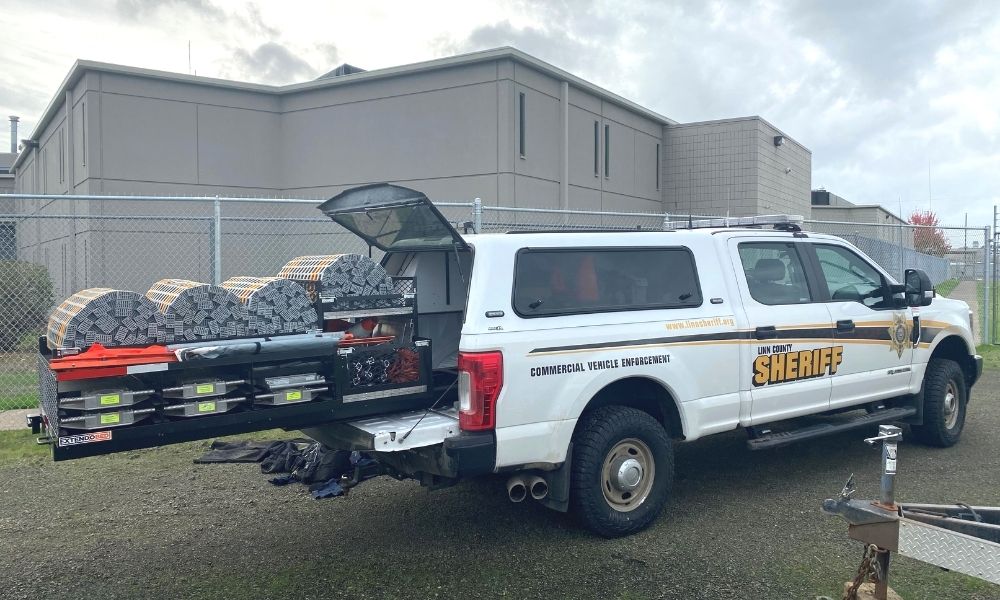
Some police vehicles carry specialized equipment for specific duties. For example. There are trucks that carry scales, cones, gates, fencing, pylons and other equipment designed specifically for traffic enforcement.

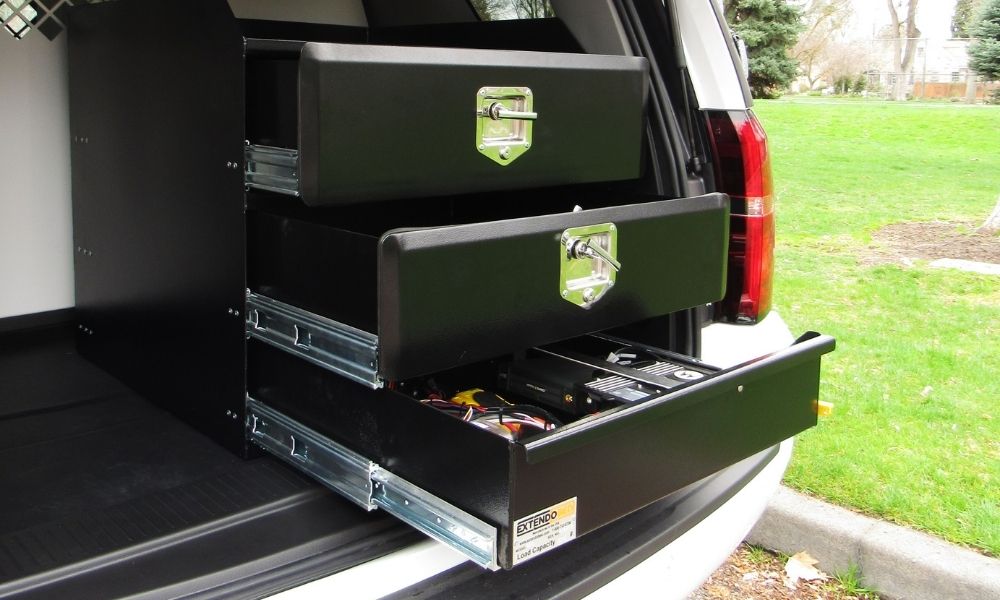
Having enough room inside a police car for gear storage is important, especially now that you know what kind of gear it is. Because space is so valuable,a lot of police vehicles use aftermarket modifications—such as slide-out truck bed storage—to increase the room available to them. This helps police optimize all the space in the trunk and enables faster unloading and loading times for equipment. Police often use these modifications because they don’t have enough room in their cars otherwise.

Sticky

What Equipment Does a Survey Crew Require

August 25, 2021

What Equipment Does a Survey Crew Require

What Equipment Does a Survey Crew Require

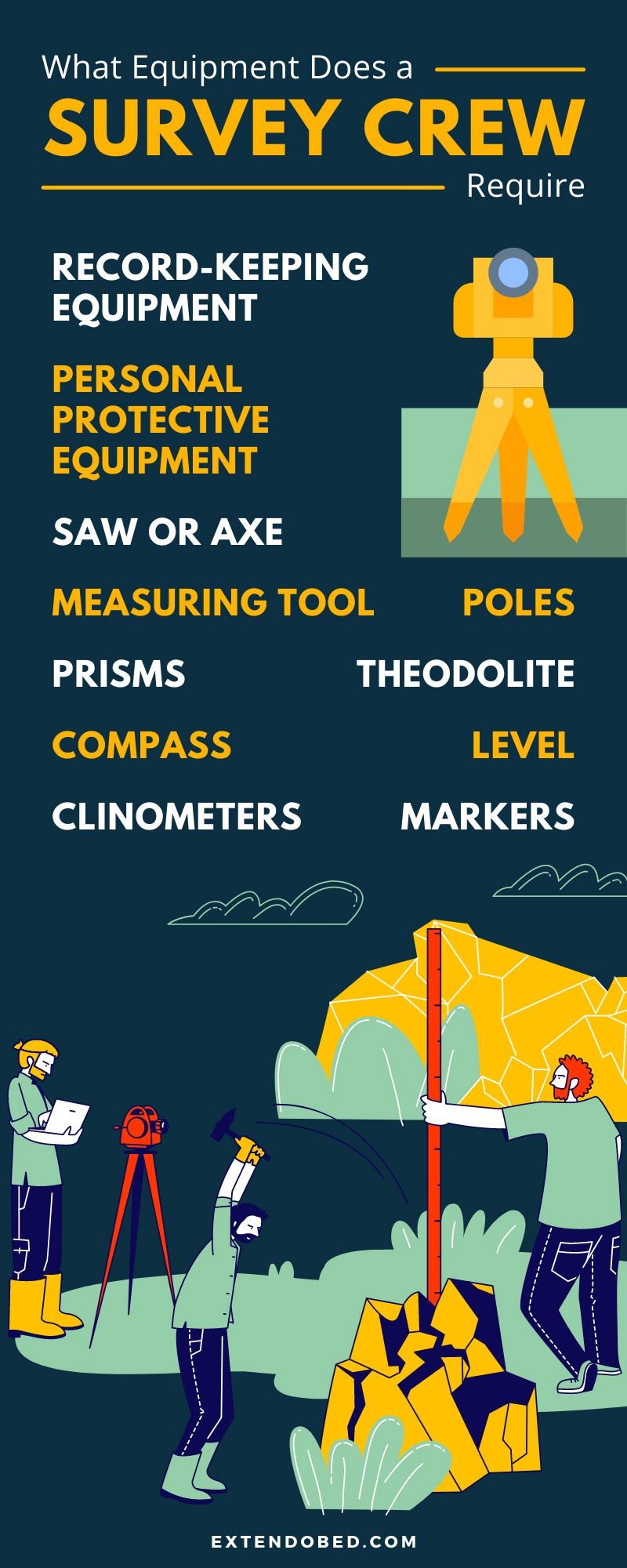
Land surveying isn’t a simple job—it requires tons of precise equipment and a lot of knowledge to properly handle and measure everything. You carry around so much equipment that regular trucks and vans usually can’t handle it all. To help you understand what equipment a survey crew requires, just read this list.

Record-Keeping Equipment

There isn’t a standard way that people choose to keep their findings, but you’ll need to invest in some method to record everything your team measures in the field. Plenty of people use paper and clipboards, but you can also use electronic devices if you want.

Personal Protective Equipment

Although most of the equipment that survey crews use is light, there’s still a chance for injury on the job—if not from the equipment, then from the environment. A good business will provide protective gear to its employees to reduce the risk of injury on the job. Things like gloves or safety jackets can save the life and body of a survey crew member.

Saw or Axe

Working outside in nature means that you’ll never have optimal working conditions. Trees and plants will obstruct your paths, and you’ll need to move them to perform a good job. Providing saws or axes to clear out small areas for equipment and pathways can make an impossible job very easy.

Measuring Tool

One of the most basic tools a survey crew needs is a measuring tool. Your crew will often need to precisely measure large distances between two or points. There’re a variety of tools that you can use to accomplish this task, like laser measures or tape measures. It’s really up to you how much you want to spend, and which type of tool makes the most sense for your company and crew.

Theodolite

The theodolite is an essential piece of equipment for any survey team, as it helps measure angles across vast distances. A team member can use the telescope on the theodolite to measure precise angles and easily record the results. This will help with basic surveying and makes every other step easier.

Compass

Traveling around in places you don’t know can often cause you to lose your bearing. This is a major issue for land surveying. Luckily, a good compass can help your crew know exactly where they are and what direction they’re facing. You can also use a compass to measure distance if your other methods aren’t working.

Clinometers

This is a tool that people use to measure slopes and inclines, which is very important for land surveying. It accurately measures the angle and degree that a slope climbs and is something that every land surveying crew needs to accurately measure the surrounding area.

Level

Levels are tools that measure the flatness of something or the flatness of two points to see if they’re even. Levels are useful for determining if there’s a difference in height between two points and will tell you if a surface is flat. There’s a variety of different styles of levels, as some are digital and others are manual, but they all essentially measure the same thing.

Metal Detectors and Magnetic Locators

During land surveillance, it becomes beneficial to use magnetic locators to find any metals in the ground. This is important as piping or metal structures can greatly change how people need to approach the area. Metal detectors are the best tools for finding any hidden or buried infrastructure.

Poles

Another tool that every surveyor team needs is a set of poles. The poles have universal uses in surveying, as they can solve a lot of problems, but they typically serve as markers or equipment stands. A lot of the equipment needs poles for steady and accurate readings.

Prisms

Prism systems are reflectors that sit at the end of poles to help reflect lights. By themselves, they serve little purpose, but they help reflect light back at electronic distance measurement instruments (EDM). This lets you set up a pole and measure the distance from that pole to anywhere you can see accurately.

EDM Instruments

These are tools that can measure extreme distances very easily with the use of Prisms and poles. It does this by using electromagnetic waves to send and receive information about the distance between two spaces. This helps you build blueprints and survey land very quickly.

Tripods and Mounts

Like poles in some ways, tripods and mounts are very useful for accurate and consistent measurements. Holding an EDM or level when taking measurements can cause a lot of problems. Tripods and mounts prevent this by holding all the equipment for your crew as they operate the machinery. Without good tripods, all your data would be incomplete or inaccurate.

Markers

Working outside can get a bit confusing, especially when you’re working in new areas so often. Investing in good markers that don’t blow away so you can get an accurate lay of the land can really save the day and make the job easy. You’ll want a variety of markers so you can easily identify what you’re marking at just a glance.

GPS

It might seem a bit silly, but a good survey team will use a GPS to help them with the lay of the land. At the very least, it’ll help the team get to the place they need to be. A GPS also helps get rough estimates and can help you organize across the whole crew. Investing in a good GPS will only speed up the surveying process.

Combined Tools

One thing you might notice if you’re searching for surveying equipment is a lot of tools combine this equipment. A good GPS might include a digital or manual compass, or a theodolite might include a clinometer in its design. This is a good thing, as it’ll save you space when storing all this equipment in a truck or van. You’ll likely find it difficult to store all this equipment in a single van, so the extra space you save from these multi-tools is very useful. You can also invest in a good truck storage organizer, which can make it easy to carry and unload everything.

This list is the answer to the question, “What equipment does a survey crew require?” This list isn’t exhaustive, but you should know the basics of what a team might need to run a full survey job.


What Equipment Does a Survey Crew Require

Sticky

How To Organize Emergency Equipment on a Fire Vehicle

August 24, 2021

How To Organize Emergency Equipment on a Fire Vehicle

How To Organize Emergency Equipment on a Fire Vehicle

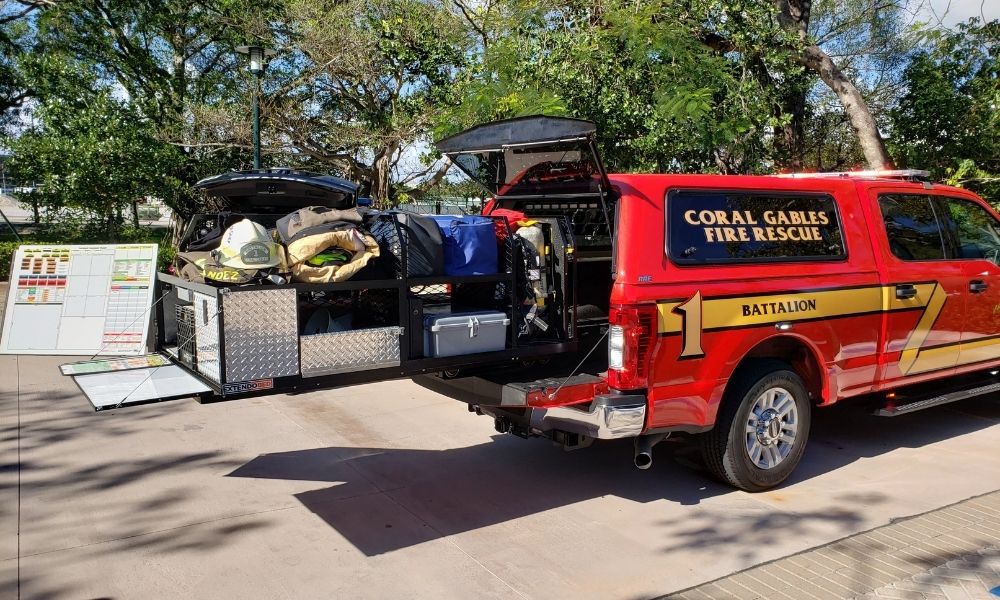
Speed is vital when fighting a fire, as the slower you deal with a fire, the harder it’ll be to stop. Every second can cost someone their life, and that’s why proper organization of your equipment is so important. To help you organize your equipment, try using this guide on how to organize emergency equipment on a fire vehicle.

Clear Out Everything

Every good organization job starts with cleaning out the whole space of any equipment. You should start with a clean slate so you can utilize the full space. It’s best to deep clean the whole vehicle, so you can get rid of any trash and waste as little space as possible.

Get Everything Together

Once you have everything out, list and record all the equipment you need to store. This will help you organize and plan for everything you need on the vehicle. Make sure you account for everything on your list, so you don’t miss anything vital.

Load Into the Vehicle

Loading the equipment is the hard part, as you need to optimize your space usage and store things according to how much you use them. When possible, load heavy items on the bottom, as this will limit sliding. You should store any equipment or tools in easy-to-access places near the entrances to the vehicle, as this will speed up your unloading process. Make sure that you dedicate spaces to everything you carry, so you always know where everything is when you need it.

Storage Space Modifications

There’s only so much efficiency you can get with a stock vehicle. If you really want to optimize your emergency equipment storage, you should invest in storage space organizers. Some heavy-duty drawer slides for trucks or heavy-duty tool racks can help you efficiently store equipment and utilize room that you couldn’t use before. A good slide-out can help you access equipment with ease while speeding up the process and lowering the risk of injury from carrying equipment.

It’s impossible to overstate how important it is to know how to organize emergency equipment on a fire vehicle. Taking the time to carefully plan and test different configurations and optimizing your setup is vital for dealing with emergency situations. Be sure that you’re careful with whatever setup you try, and plan to have speedy and safe access to all equipment.

Sticky

Getting Organized at Work: Start With Your Truck

August 17, 2021

Getting Organized at Work: Start With Your Truck

Getting Organized at Work: Start With Your Truck

If you’re looking to increase your productivity at your workplace, you’ll find the best results by organizing. Proper organization of your work area can enable you to perform tasks optimally. When getting organized at work, start with your truck. This will help you quickly handle jobs and any equipment you have.

Empty the Truck

The first step to organizing anything is to empty and clear out the space in question. This isn’t any different with your truck. Remove everything you can, leaving its bed bare of any equipment or things you need to carry.

Prioritize Essentials and Heavy Items

When you’re starting to decide where items go, it’s best to put in the tools you use the most and the heaviest objects first. This way, you can ensure that you have everything you need and that your truck is stable while you drive.

Dedicate Spots

You should look to dedicate a spot for everything you have. If you set apart sections for specific items, you’ll consistently have places to put those items. This will help you ensure that you always have your essentials.

Think About Convenience

It’s wise to store things based on how often you use them. Tools or objects you need frequently should be the easiest to access. Store them in places that you can reach quickly. Placing equipment on the door or near the entrances of the truck will make it simple to take them out when you need them.

Use Storage Space Organizers

Another option for organizing your vehicle is to use storage space organizers. These are aftermarket modifications that can help you utilize the space your vehicle already has more effectively. Things like a truck storage organizer or a tool board can help you store all your items. Mounting these on a telescoping or sliding deck will further improve quick and safe access to them. The modifications allow you to utilize your vehicle’s storage space to its fullest.

Now you can see why you should start with your truck when getting organized at work. With this guide, you can arrange your truck to handle whatever equipment or gear you have and access it quickly and safely.

Sticky